
A seasonal home maintenance checklist for Chattanooga homes
Simple tasks for each season, built around our humid summers, heavy rain, falling leaves and the cold snaps most winters bring.
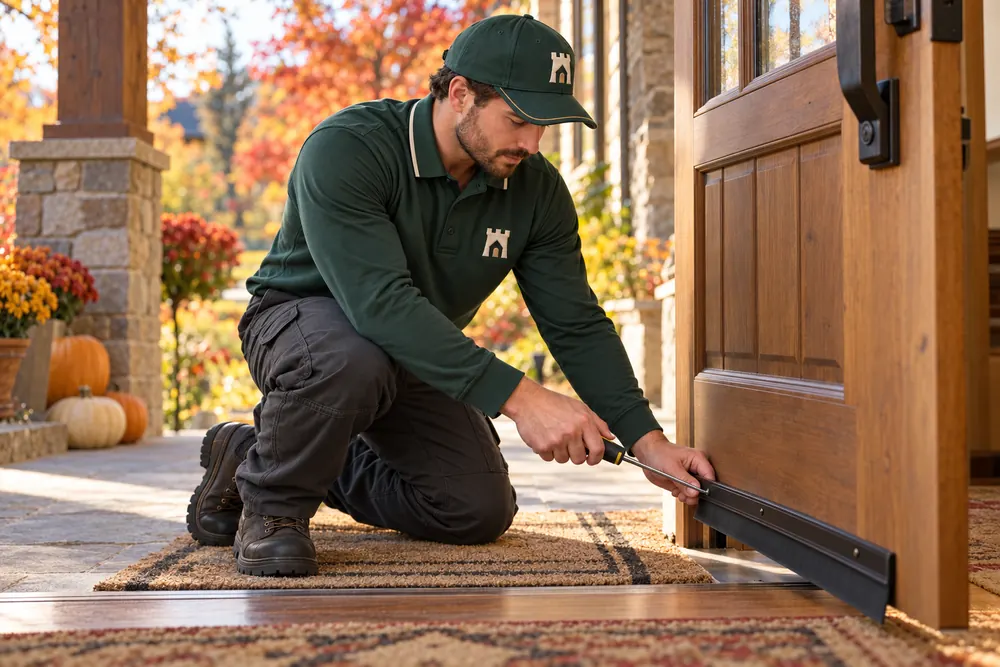
$59 for one hour of small fixes and a full-home checklist with photos.
Homes around Chattanooga deal with a lot of weather. Summers are hot and sticky. Heavy rain can show up any time of year. Winters are mostly mild, but most years still bring nights below freezing. And with so many trees around, gutters fill with leaves fast.
Small problems are often easier and cheaper to fix when you catch them early. A crack in outside caulk can let rain in. A clogged gutter can spill water next to your foundation. This checklist splits the year into four seasons, plus a few quick checks for every month. Most items are things you can do yourself with basic tools. At the end, we note which small fixes Fortress handles on its seasonal visits.
Spring (March to May)
Spring storms and heavy rain will find any gap on the outside of your house. It is also the best time to spot winter wear before the summer heat sets in.
- Change the air filter. Many homes need a new one every 1 to 3 months.
- Press the test button on every smoke and CO detector.
- Walk around the house and caulk gaps outside at windows and doors.
- Clean gutters and downspouts once the trees finish dropping pollen and seeds.
- Make sure downspouts carry water several feet away from the foundation.
- Fix loose or torn window screens before bug season.
- Vacuum and wipe out sliding door tracks so the door glides again.
- Look at the roof from the ground for missing shingles after big storms, and call a licensed roofer for any repairs.
- Touch up scuffs and marks on walls and trim left over from winter.
- Book a yearly cooling system check with a licensed pro before the first hot week.
Summer (June to August)
Chattanooga summers are hot and very humid. Damp air makes wood swell, so doors and cabinets start to stick, and wet corners are where mold likes to grow.
- Adjust doors and cabinets that stick in the humidity.
- Replace worn weatherstripping and door sweeps so cool air stays inside.
- Re-caulk tubs, showers and sinks where the old caulk is cracked or stained.
- Run the bathroom fan during showers and for a while after.
- Aim to keep indoor humidity below 60 percent. The EPA says 30 to 50 percent is ideal.
- Tighten loose stair railings, door handles and hinges.
- Tighten and balance any ceiling fan that wobbles.
- Check the air filter mid-summer, since the system runs hard in the heat.
- Trim shrubs and branches so they don't rub against the house.
- Clean lint out of the dryer vent duct and make sure the outside flap opens freely.
Fall (September to November)
Fall is when the leaves come down, and the first frost often arrives in late October or November. Getting ready now keeps cold air out and saves a scramble when the first hard freeze hits.
- Change the air filter before heating season starts.
- Put fresh batteries in smoke and CO detectors, unless they have sealed 10-year batteries.
- Find drafts at doors and windows and seal them with caulk or weatherstripping.
- Unhook and drain garden hoses before the first freeze.
- Put insulating caps on outdoor faucets.
- Clean gutters after most of the leaves have fallen. Homes under big trees may need a second round.
- Rake leaves away from the foundation and off walkways and steps.
- Have a licensed pro check your heating system and any gas appliances.
- Find your main water shutoff valve and make sure it turns, so you can reach it fast in an emergency.
- If you burn wood, have the chimney checked and make sure the damper opens and closes.
Winter (December to February)
Winter here is mostly mild, but cold snaps can stay below freezing for days at a time. It is also when you spend the most time indoors, which makes it a good season for inside fixes.
- On nights well below freezing, open the cabinet doors under sinks on outside walls so warm air reaches the pipes.
- Patch nail pops and small drywall cracks.
- Fix loose trim and quarter round.
- Tighten cabinet hinges, knobs and pulls.
- Replace burned-out bulbs, including the hard-to-reach ones.
- Hang the shelves, curtain rods and wall mounts you have been putting off.
- Test smoke and CO detectors again, since heaters and fireplaces get more use now.
- After heavy rain, peek into the attic with a flashlight for damp spots or stains.
- Set ceiling fans to spin clockwise on low to push warm air back down.
- Keep a few spare air filters and detector batteries on hand for the rest of the year.
Quick monthly checks
- Press the test button on each smoke and CO detector.
- Look at the air filter and change it if it looks gray or clogged.
- Run water in sinks, tubs and showers you rarely use so the drains don't dry out and smell.
- Look under sinks for drips, damp spots or a musty smell.
- Wipe the range hood filter if it feels greasy.
- After any big storm, walk the yard for fallen limbs and clogged downspouts.
Let the crew handle the small stuff
If you would rather not handle the small stuff, the Quarter Round Plan brings Fortress out four times a year for a two-hour seasonal visit. Each season has a set list, from changing the air filter and testing detectors to caulking, weatherstripping, drywall patches and loose trim. You get a photo report after every visit. Wiring, pipe repairs and heating or cooling repairs are not part of the plan, so a licensed pro handles those.
Checklist questions
How often should I do home maintenance?
A good rhythm for most homes is a few quick checks each month and a bigger round of tasks each season. The monthly list takes very little time: test detectors, glance at the filter, look under sinks. The seasonal lists are where the real work happens, like caulking, cleaning gutters and getting outdoor faucets ready for cold weather. Doing a little at a time is often easier than saving it all for one long weekend.
What home maintenance matters most in the Chattanooga area?
Water is the biggest thing to watch. Heavy rain, clogged gutters and gaps in outside caulk can let moisture into walls and crawl spaces. Summer humidity adds to the problem indoors. Keeping gutters clear, sealing gaps and keeping indoor humidity in check go a long way. Getting hoses and outdoor faucets ready before the first freeze matters too, since cold snaps still happen here most winters.
Can I do this checklist myself?
Yes, most of it. Changing filters, testing detectors, cleaning door tracks and unhooking hoses need no special tools. Caulking and weatherstripping take a little practice, but they are common DIY jobs. Anything involving wiring, gas lines or pipes inside the walls should go to a licensed pro. If you want a hand with the small fixes, Fortress offers a $59 Fix-It Hour or the Quarter Round Plan.

Duke's checklist, done for you.
Members get these seasonal checklists worked through on every visit, with a photo report so you can see what got done.
Get your home's checklist.
Book a $59 Fix-It Hour. One hour of small fixes and a full walk of your home, with photos.
Book Your Fix-It HourBook your $59 Fix-It Hour